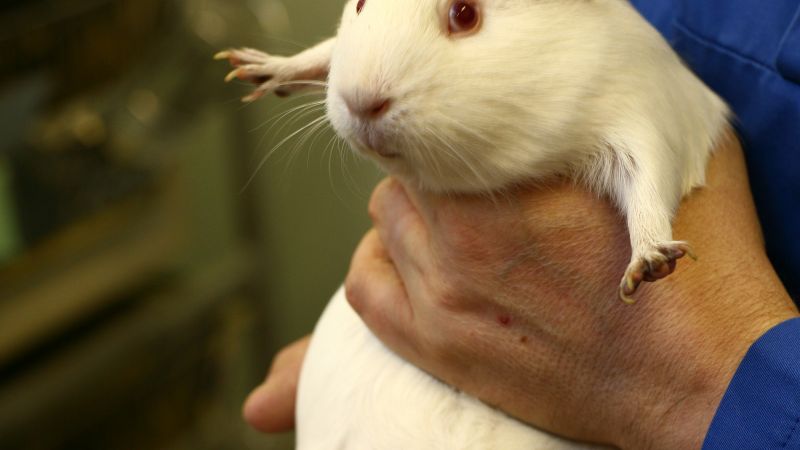
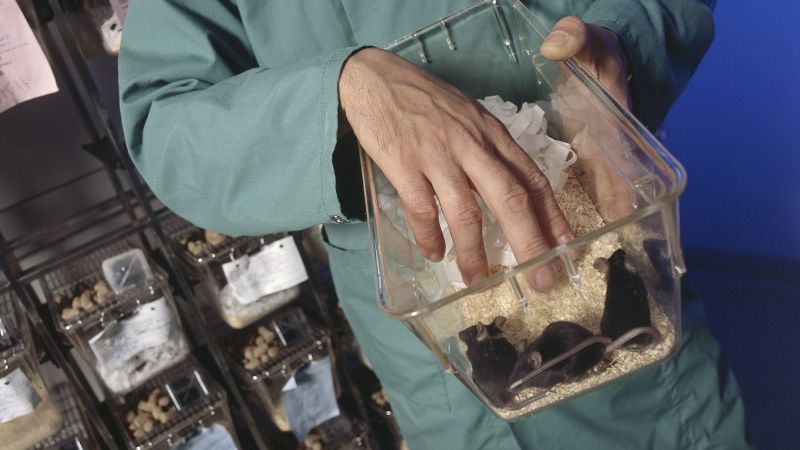
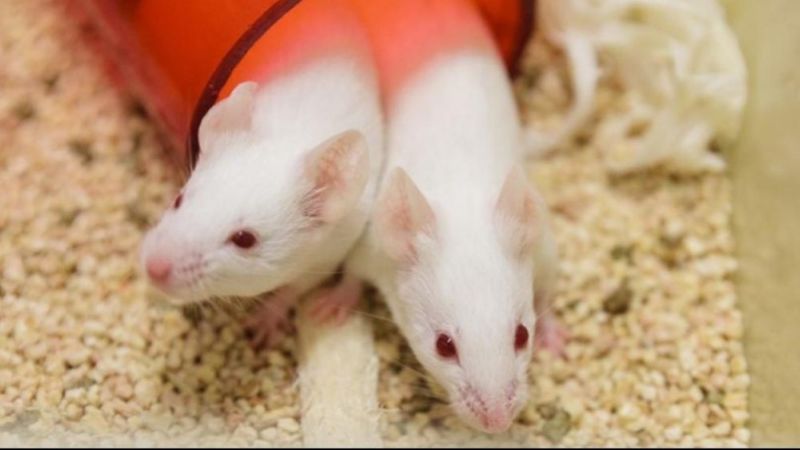
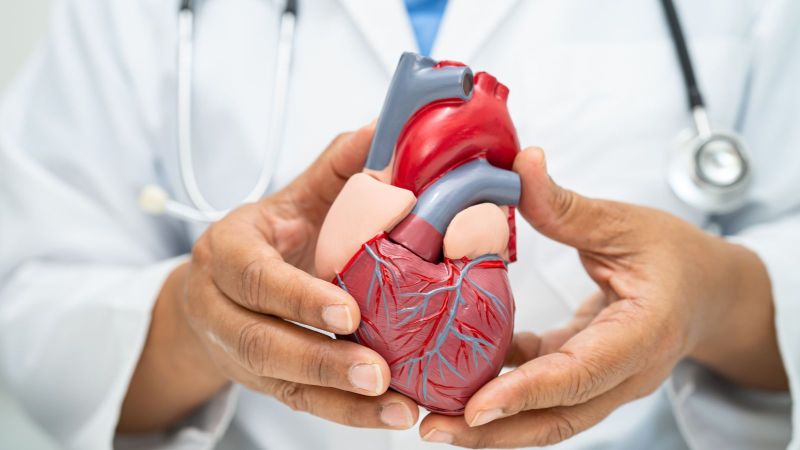
The Scottish Agricultural College (SAC) is to coordinate a major, new, EU funded, research project to create a Centre of Excellence in Animal Welfare Science.
A new study may explain why our brains produce fewer new neurons with age.
Stress can cause depressive illness in humans and has visible effects on mice such as failure to groom and weight loss.
About 100 boys are born with muscular dystrophies every year in the UK.
Stem cells hold the promise of cures for injuries such as spinal cord damage and diseases such as Parkinson's but producing large quantities of cells for experiments and clinical trials is proving very difficult.
Work with mice has shown that the elevated levels of nitric oxide produced during exercise protect the heart from injury during a heart attack.
Chemical safety in Europe is regulated in part by REACH*.
In Elizabethan times smallpox killed more people than TB, leprosy, plague and syphilis combined.
GM mice have helped identify a key enzyme responsible for destroying lung tissue in tuberculosis (TB).
The UAR Council is delighted to announce that, following a rigorous selection process, we have recruited David Pruce as Interim Chief Executive to ensure that our important work continues and thrives.
Aspirin and other anti-inflammatory medicines taken for pain relief may reduce the effectiveness of antidepressants such as Prozac.
Unlocking a key messenger protein in the body’s defences could be a first step to new treatments for multiple sclerosis (MS) and other autoimmune diseases, suggest studies in mice with a form of the disease.
An Understanding Animal Research Oceania guide for families and young people
Get the latest articles and news from Understanding Animal Research in your email inbox every month. For more information, please see our privacy policy.