Research Animal Photography Award
Congratulations to our winning entries 2026!
Overall winners
| Title | Category | Photographer | Research institution | |
|
1st Place |
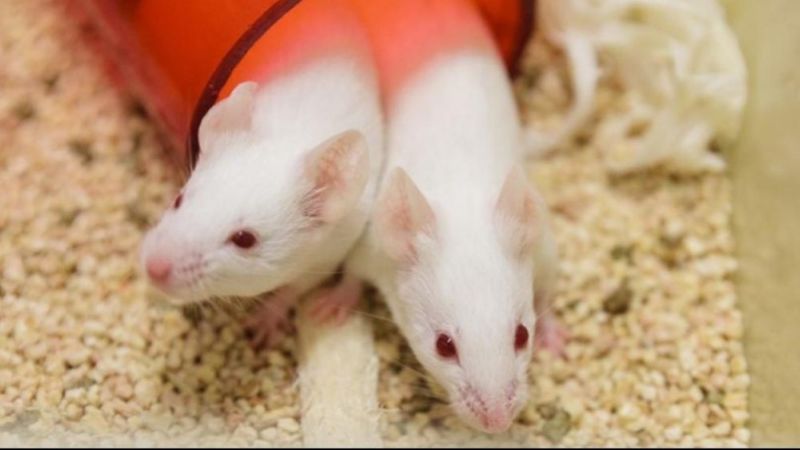
Refined Tunnel Handling | Small animal | Elissa Hardman | The Florey Institute of Neuroscience, Victoria, Australia |
| 2nd Place | Why didn’t the Tasmanian Tree Frog go extinct? | Wildlife | Daniel van Duinkerken | University of Tasmania |
| 3rd Place | Wild and Free | Wildlife | Alexandre Fontanella | University of Tasmania |
Category winners
Small animal
| 1st Place | Refined tunnel handling | Elissa Hardman | ||
| 2nd Place | Little gaze, big moment | Maryanne Melanie Gonzales Carazas |
Wildlife
| 1st Place | Why didn't the Tasmanian tree frog go extinct? | Daniel van Duinkerken | ||
| 2nd Place | Wild and free | Alexandra Fontanella |
Aquatic
| 1st Place |
Danio rerio larva, a valuable model for antibiotic discovery |
Michelle Novais de Paula | ||
| 2nd Place | Bull shark and pilot fish | Nico Fassbender |
Large animal
| 1st Place |
A Tasmanian devil coming out of a modified devil trap |
Prithul Chaturvedi | ||
| 2nd Place | Brushtail possum enjoying a cheeky placebo treat | Prithul Chaturvedi |
Open
| 1st Place | Varroa destructor | Joana Merk |
Celebrating real stories, real environments, and the care at the heart of animal research
The Research Animal Photography Award invites photographers, researchers and animal care staff across Australia, New Zealand and Oceania's Islands to submit images that capture the reality of animals in research.
This award recognises photography that is both great to look at and which tells meaningful stories. We are looking for images that reflect real research environments, both captive and in the field, the care and consideration given to research animals, and the science taking place.
| Total prize fund: $4,000 AUD | Grand prize: $2,000 AUD |
Many thanks to Charles River for their generous support of the Research Animal Photography Awards 2026
About the award
The images of research animals don't always show the passion, wonder or commitment that reflect the projects they are part of. Increasingly, science stories are illustrated with staged or AI-generated images. Stories told through authentic images are necessary to communicate that excellent science and care is taking place, and help everyone understand the importance of the work.
We are looking for the passionate, purposeful and visually creative minds working with animals in science, to share their research stories through a photograph that shows their passion for the animals and the importance of the research.
The Research Animal Photography Awards is both a photography and a science communication competition. It is a chance to share your research, and best images with the world, so they can share in your experiences.
The strongest entries will combine good photography with a clear sense of what is happening and why it matters. They will communicate the complexities of science visually, and help someone outside your field see both scientific purpose and compassion for animals more clearly.
If you have an image that shows this well, we encourage you to submit an entry.
What we are looking for
Entries will be judged on two equally important areas:
Photographic quality
Composition, technical execution, use of light and overall finish
Scientific communication
Clarity of context, authenticity, and the ability to help a wider audience understand the work
Strong entries will:
- Show real research settings and practice
- Communicate something meaningful about the science
- Be suitable for use in public-facing communication
Who should enter
We welcome entries from:
- Researchers working with animals
- Animal care and research services staff
- Professional and amateur photographers working in scientific settings
- Students and early career researchers
Entrants must be affiliated with a research organisation responsible for the work shown. They are required to share ethical approval information for their project as part of the entry process.
Categories
- Wildlife
- Small lab animals
- Large animals
- Aquatic animals
- Open category
Key information
- Entries must be original photographs taken on or after 1 January 2025
- Each entry must include a short explanation (up to 500 words) describing the scientific context
- Images must not be generated or altered using AI
- All work must comply with relevant ethical approvals and institutional requirements
- Submissions closed Sunday 26 July
This award is possible thanks to the support of our sponsor.