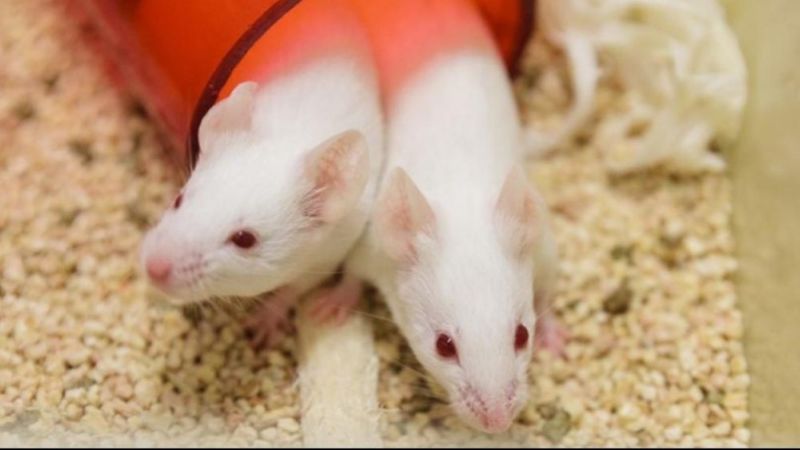
Recent findings that a gene associated with schizophrenia also causes abnormal sleep patterns in mice have led scientists to ponder whether the mental illness and sleep disturbance could be genetically linked.
New research suggests that understanding provided by parasitic worms could be used to treat serious lung injury caused by infections.
Scientists have found that omega-3 fatty acids can help speed up recovery from nerve damage.
Before January 1922, a diagnosis of Type 1 diabetes was in effect a death sentence; many died of starvation.
Scientists have developed a new strategy for fighting infectious diseases.
Scientists have uncovered the secret behind the rapid progression of retinoblastoma, a rare type of childhood eye cancer.
By transplanting cells from the blood of young mice, scientists have successfully stimulated stem cells to repair the damaged nerve tissue of old mice with multiple sclerosis.
Scientists have created a vaccine that protects rhesus monkeys from infection by the simian immunodeficiency virus (SIV), a relative of HIV, the virus that causes AIDS.
Scientists have identified a gene that, when deleted, causes deafness in mice.
Intricate experiments using mice have allowed scientists to visualise the formation of new brain circuits that form after birth.
A chemical tested in mice, cell cultures and human biopsies has proved highly effective in preventing the growth of tumours.
An Understanding Animal Research Oceania guide for families and young people
Get the latest articles and news from Understanding Animal Research in your email inbox every month. For more information, please see our privacy policy.