Almost two thirds of British people (63%) do not know that is it illegal to test finished cosmetic products on animals in the UK, according to a recent ComRes survey.
Around the turn of the 20th Century, two surgeons named Emerich Ullman and Alexis Carrel placed the kidney of goat into a dog.
An animal facility at the University of Milan, Italy, was occupied on Saturday 20 April by Fermare Green Hill.
Dolly is probably the most famous animal ever to take part in a scientific experiment.
Researchers studying mice have discovered that brain cells may break their own DNA to form new memories.
An experimental compound has proved highly effective at preventing malaria in laboratory tests using mice.
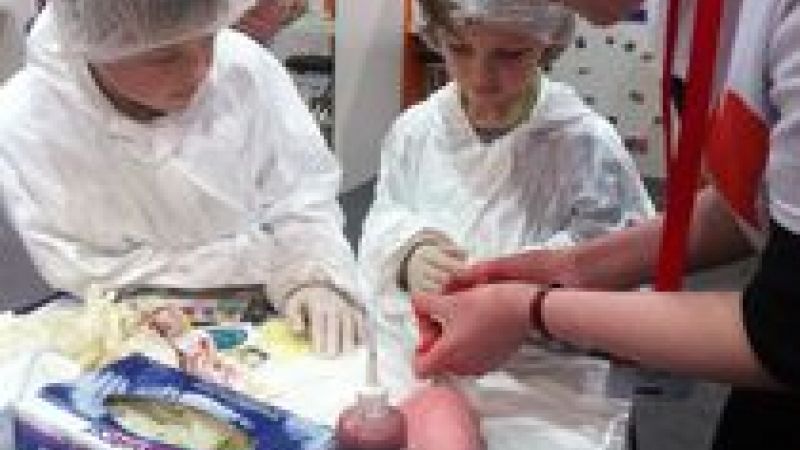
The UAR Education Team had a fantastic time at The Big Bang Fair at ExCel in London which ran from the 14th -17th March this year.
Foot-and-mouth disease (Aphthae epizooticae) is an infectious and sometimes fatal viral disease that affects cloven-hoofed animals, including domestic and wild bovids such as cattle and sheep.
Gene therapy using a mutant form of a gene known to be involved in many of the most common cancers can destroy tumours in mice without any major side effects.
An additive used in anti-cancer vaccines is stopping them working properly, research in mice suggests.
Research using genetically modified mice has given scientists a unique insight into the molecular cause of an incurable human cancer.
An Understanding Animal Research Oceania guide for families and young people
Get the latest articles and news from Understanding Animal Research in your email inbox every month. For more information, please see our privacy policy.