Scientists have produced four infant monkeys using a technique which could stop women with genetic diseases passing them on to their children.
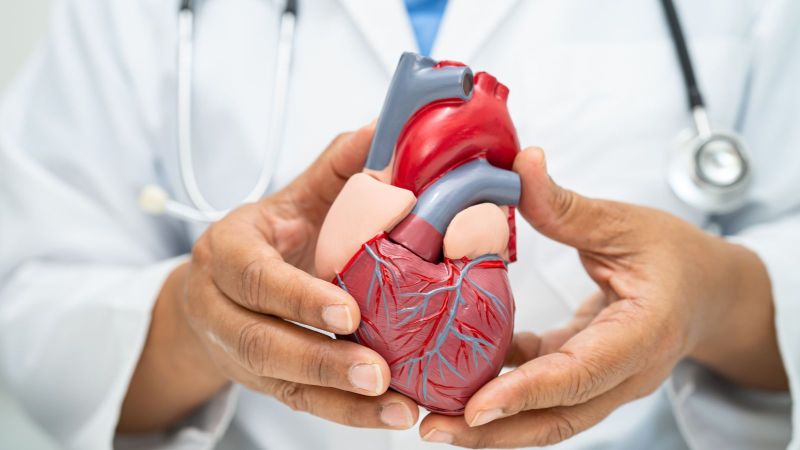
A team of scientists have developed a patch which could help the heart to heal after damage.
How similar are we really to chimpanzees?
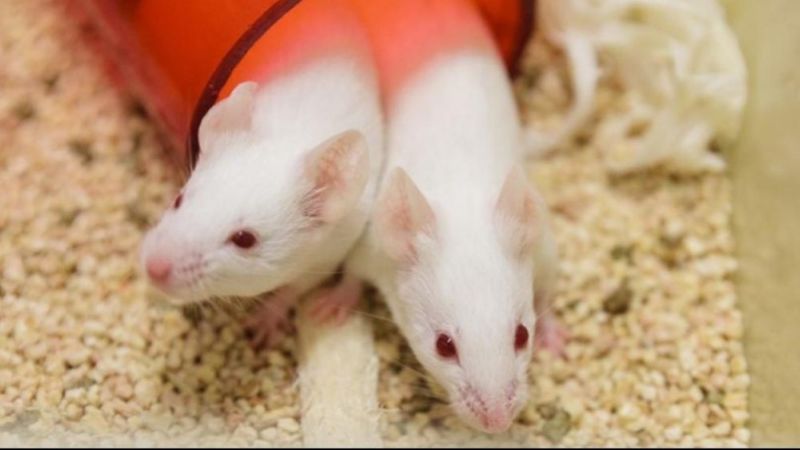
Researchers using mice have shown how the Leishmania parasite, transmitted by sand flies, establishes infection.
Scientists have harnessed the power of magnetism to guide stem cells towards damaged tissue in rats.
A team of scientists studying mice have found a target that could lead to an effective way to kill colon cancer cells.
By blocking the production of a faulty protein in mice, researchers have delayed the onset of motor neurone disease, improved mobility, and extended life-span.
Scientists using mice have discovered how early exposure to a common type of bacterium can lead to psychiatric disorders.
A group of scientists has harnessed the power of bee venom and used it to kill tumour cells in mice.
Every Breath, an award-winning drama-based set of teaching resources from Y Touring Theatre Company is now available on DVD, free to schools.
Working with 'substitute' breast cancer stem cells and mice, scientists have discovered a chemical which can kill the cells that cause tumours to spread and return, even after seemingly successful treatment.
Researchers have reversed the symptoms of glaucoma in rats using medicated eye drops.
An Understanding Animal Research Oceania guide for families and young people
Get the latest articles and news from Understanding Animal Research in your email inbox every month. For more information, please see our privacy policy.