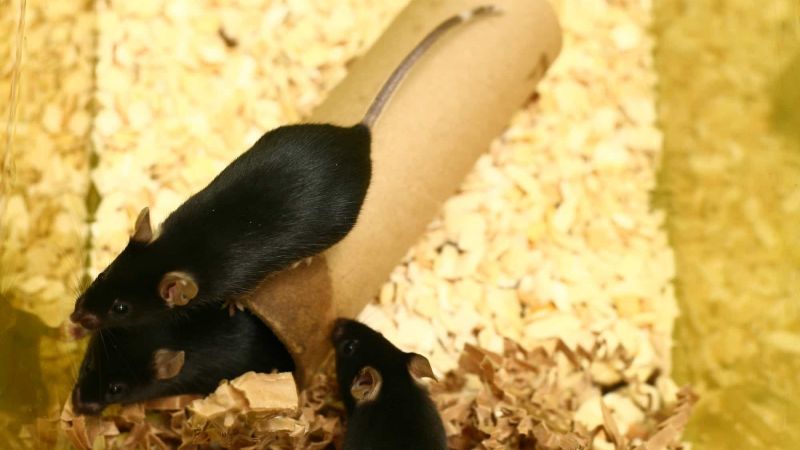
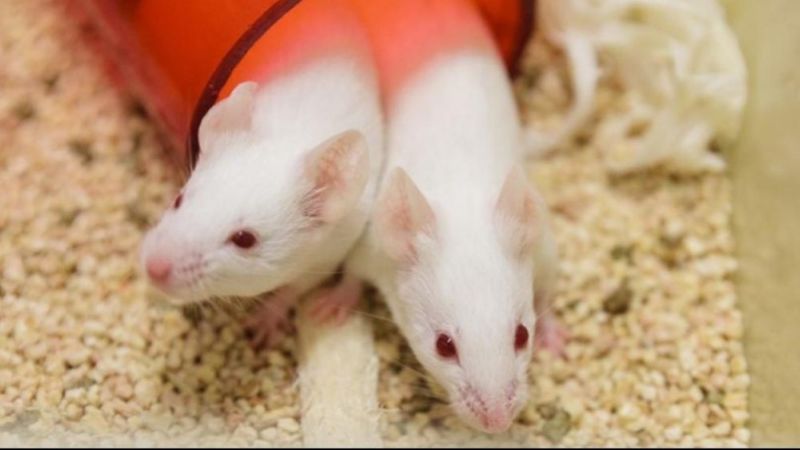
A new method to treat arthritis has proven successful in mice, and holds strong hopes for treating other autoimmune disorders.
We aren't sure if it's because it was Friday the 13th but unlucky Flaming Lips fans were faced with an unpleasant display at a gig in Portsmouth last week.
Researchers have discovered a new medicine which is able to stop lung tumours from growing in mice, even eliminating them altogether in half of all cases.
The Academy of Medical Sciences has launched a new project to examine the use of animals containing human material in scientific research.
Researchers have long known that overweight people are more likely to develop conditions such as diabetes and heart disease.
Using outside-the-body gene therapy in pig and human lungs, researchers have repaired donated organs that were deemed too damaged to transplant.
The recent infiltration of a UK safety testing facility by an antivivisectionist raises many questions.
Scientists have developed a new gene therapy successful in treating the most severe type of muscular dystrophy in mice.
Past research has suggested that high protein diets, such as the Atkin's diet, can increase the risk of heart disease and kidney problems.
Weighing up the cost to animals and the potential benefit of any particular research program is no simple task.
Five years ago newspaper reports of medical breakthroughs rarely mentioned the animal research that had played a part in creating a medicine or treatment.
Two new 'non-animal methods', have now been approved by OECD for testing the irritancy of some substances to the eye.
An Understanding Animal Research Oceania guide for families and young people
Get the latest articles and news from Understanding Animal Research in your email inbox every month. For more information, please see our privacy policy.