A new vaccine successfully blocks tapeworm infection in pigs, helping to break the cycle of infection between pigs and humans.
Freedom of Information (FoI) requests have recently been in the news, as many UK Universities have received a request for information from Luke Steele, an animal rights activist based in Yorkshire.
Public opinion research released this week shows that public attitudes to animal research haven't changed much in the UK over the last few years.
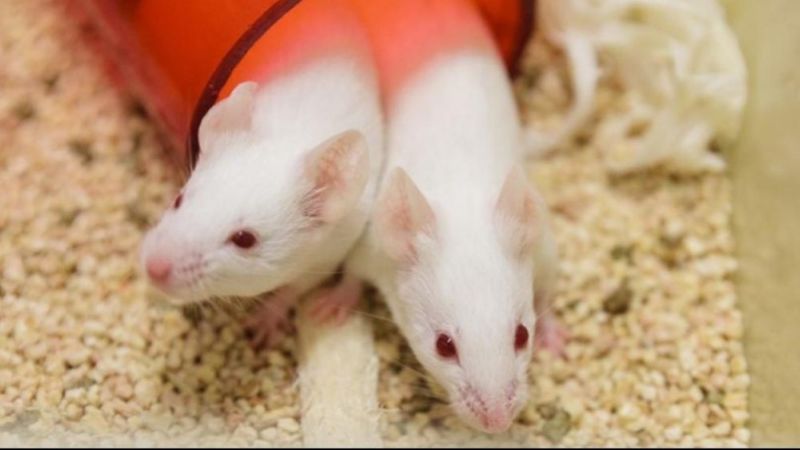
Mice could be more useful in the study of hepatitis than previously thought, as research into the possibility of growing a human liver in a mouse has proven successful.
There are some strange animal-related things happening in Europe, but sometimes sense can prevail.
Pig models are becoming increasingly important in medical research into the causes of diseases, and have now shed new light on the causes of diabetes.
A new gene variant that increases resistance to diseases such as tuberculosis (TB) and leprosy, has been identified from studies on zebrafish and humans.
A hormone found in the stomach reduces inflammation and could ease liver diseases such as cirrhosis, research on rats has revealed.
Using a deactivated form of HIV as a vaccine may be the best new treatment for fighting the HIV virus, concluded scientists after studying primate responses to the treatment.
Tomorrow the film Extraordinary Measures will be released in UK cinemas.
Six new leaflets have been published by Understanding Animal Research, providing an overview of aspects of animal research
Slower brain development may be the reason some children reject all physical affection, research on mice has shown.
Get the latest articles and news from Understanding Animal Research in your email inbox every month. For more information, please see our privacy policy.