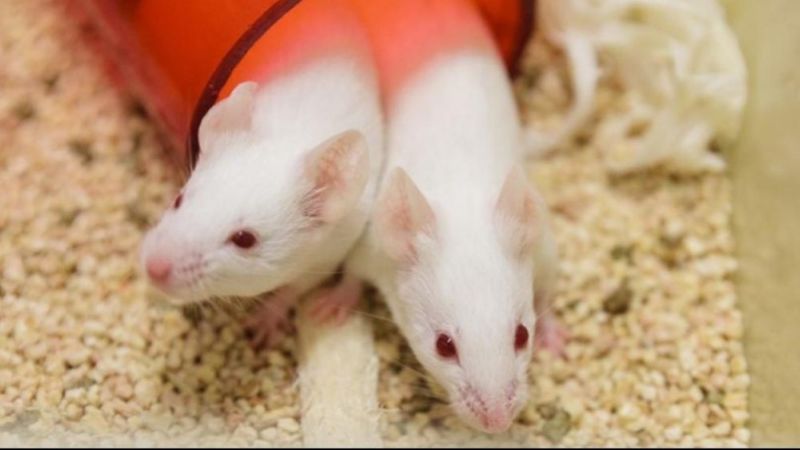
Mice with a disabled RGS14 gene are able to remember objects and learn to navigate mazes better than normal mice.
The Tasmanian Devil is at risk of extinction in the wild due to a transmissible cancer passed on when one animal bites another.
Diabetes can cause the death of nerves in the body's extremities, a condition known as diabetic peripheral neuropathy (DPN).
As a normal mammalian body grows, hundreds of motor neurons grow from the spinal cord to the muscles they will control.
The public broadly supports research on animals containing human material, according to an Ipsos Mori survey of 1,042 people.
Today the European Parliament agreed on the final text of the new Directive concerning the use of animals in research.
Lupus is a chronic disease where the body's own immune system attacks healthy tissue, causing inflammation, pain and damage in organs, particularly the kidneys.
The omega-3 fatty acids DHA and EPA found in oily fish reduce inflammation, which in turn reduces the symptoms of arthritis and reduces the risk of heart attacks and strokes.
An ultimate goal of regenerative medicine is the generation of organs derived from a patient's stem cells.
As women get older the chances of infertility, birth defects and developmental disabilities go up.
Increasing resistance to anti-malarials, such as those based on Artemisinin, have prompted a need for new treatments.
Researchers have successfully used a chemical to reset and restart the natural 24-hour body clock in mice.
An Understanding Animal Research Oceania guide for families and young people
Get the latest articles and news from Understanding Animal Research in your email inbox every month. For more information, please see our privacy policy.