The UN has just announced that rinderpest, a virus that used to cause deadly outbreaks in cattle, has been eradicated in the wild.
When the brain is deprived of input from one sense it often compensates with above normal performance in another sense.
Supplementing the diet of healthy middle-aged mice with a mixture of amino-acids - the building blocks of proteins - extended their average lifespan by over one tenth.
For the first time, researchers have discovered a therapy that can treat the invariably lethal terminal stages of cancer in animals.
The first list of its kind for science, The Eureka 100: The Science List by The Times last week aimed to identify the 100 most important people in British science.
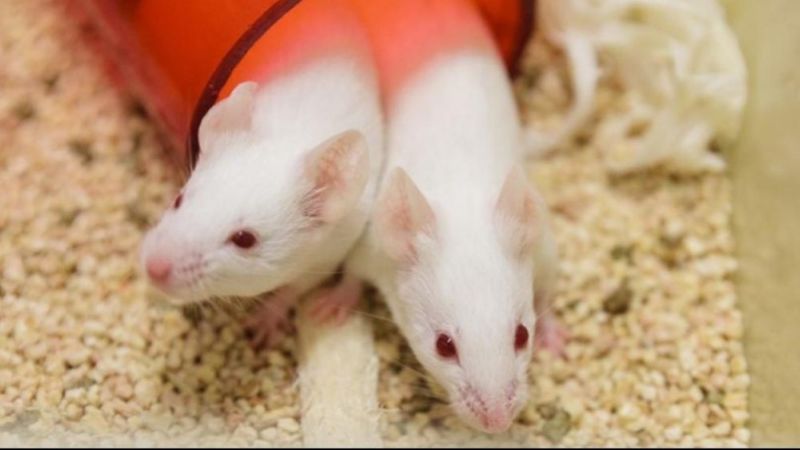
How do you re-animate paralysed limbs? A new approach being trialled on genetically modified mice uses flashes of light.
186 chimps currently housed in unofficial retirement in the Alamogordo Primate Facility in New Mexico are to be re-housed in the Southwest National Primate Research Center.
New research shows female mice, monkeys and humans appear to metabolise the oestrogen-like chemical bisphenol A (BPA) in similar ways.
The National Science Learning Centre in York is offering a fantastic opportunity to improve your science communication skills with a two-day course on engagement with schools and young people on 18-19 October 2010.
Yesterday the President of the European Parliament, and the Belgian State Secretary (representing the EU countries) put pen to paper and signed the new EU Directive 8869/10 in the use of animals in scientific research.
Retinal cells, necessary for colour vision, have been successfully transplanted into blind mice.
An Understanding Animal Research Oceania guide for families and young people
Get the latest articles and news from Understanding Animal Research in your email inbox every month. For more information, please see our privacy policy.