Mark Henderson’s Science Matters column in today's Times Eureka gets our #ww Wednesday Winner award for communication about animal research (OK, it’s not Wednesday, but this column is a deserving winner).
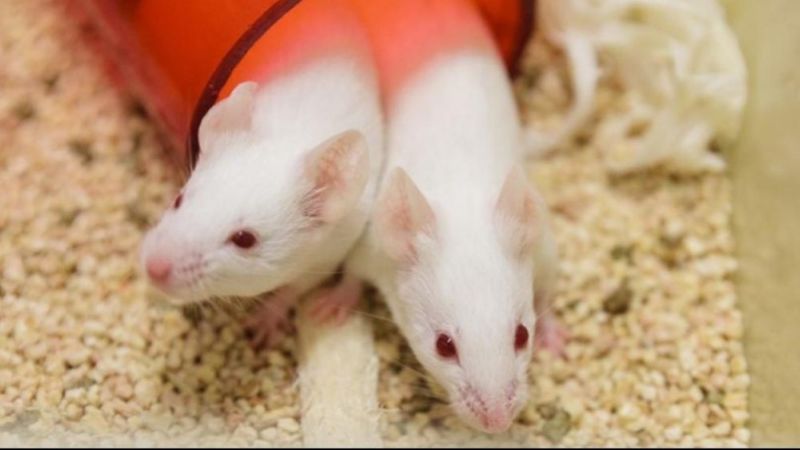
Research on mice has shown that uninterrupted sleep is vital for memory consolidation.
This month’s awaited pledge by the coalition government to end household product testing on animals has been welcomed by the UK research community.
Dr. Paul Foster, a Lecturer in Molecular Endocrinology at the University of Birmingham, is an experienced cancer researcher and pharmacologist with a strong interest in understanding how animals help advance medical research.
A report published today, called Review of research using non-human primates, recommends that scientific research on monkeys should continue in the UK, subject to rigorous safeguards.
For two weeks this June I took part in the 'I'm a scientist...get me out of here 2011' competition at the Wellcome Trust.
What are 'animals containing human material' (ACHM) and why the sudden interest in them?
A few weeks ago it was announced that researchers have created genome-wide, high-resolution genetic maps of 100 inbred mouse strains.
To better study the breakdown and toxicity of new medicines in a human liver, scientists have created what has been named a ‘humanised mouse'.
A study using mice has led scientists one step closer to developing a vaccine against the most common cause of bacterial meningitis, Meningococcus B.
The UK Home Office this morning agreed arrangements to deliver two Coalition commitments relating to the use of animals in scientific research
Injuries that damage the spinal cord at the top of the neck can damage the nerve connections between the respiratory centre in the brain and the diaphragm muscles that we need to breathe normally.
An Understanding Animal Research Oceania guide for families and young people
Get the latest articles and news from Understanding Animal Research in your email inbox every month. For more information, please see our privacy policy.