Animal research is vitally important in science and medicine.
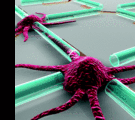
A team of scientists have developed a way of guiding nerve cells to set up complicated networks that mimic the ones found in the brain.
Animal Aid is running a campaign against medical charities because some of their funded work involves animals.
Scientists inserted two genes into cats: the first is taken from macaque monkeys and helps the cat resist the feline form of Aids; the second is a fluorescent gene from jellyfish that helps the researchers literally see where the added anti-aids gene is active.
A modified version of a chemical found in the Autumn crocus has shown exceptional promise as a tumour-killing agent in mice and will soon begin clinical trials in humans.
Scientists have identified the gene that allows the transmission of chronic pain.
Scientists have trialled a safer way of treating sleeping sickness in mice by modifying an existing medicine.
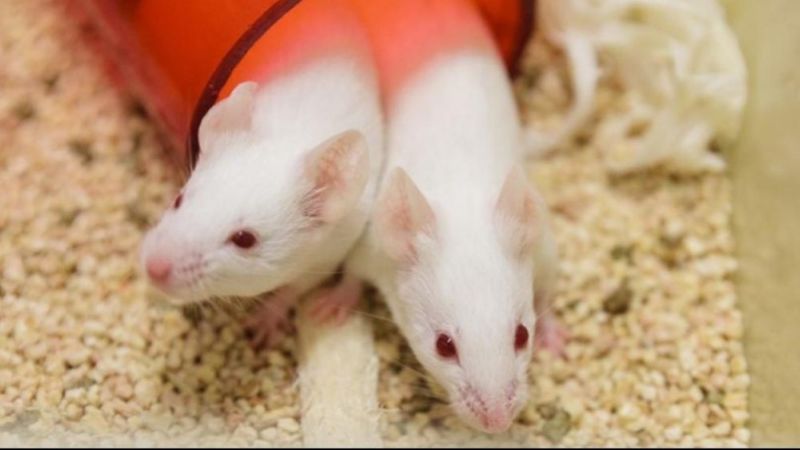
Mice infected with a genetically modified relative of the tuberculosis bacterium became immune to tuberculosis, a new study has shown.
Scientists have developed a computer model that predicts the effect of anti-arrhythmic medicines on the heart.
A treatment developed in rats and mice has been shown to be safe in the first ever human trial of stem cell treatment for stroke victims.
Studies in GM mice have shown that a combination of gene therapy and copper injections could be effective in treating Menkes Disease, a lethal and progressive disease that mainly affects young boys.
A map of gene activity has been created that scientists hope will shed new light on the causes of Alzheimer’s and Parkinson’s diseases.
An Understanding Animal Research Oceania guide for families and young people
Get the latest articles and news from Understanding Animal Research in your email inbox every month. For more information, please see our privacy policy.